
The Food-Safety Blind Spot
Silent SpringThis flow follows pesticide residues from everyday food to the limits of tolerance rules and inspection.
increasing Bearing strength in each event
 decreasing
Bearing strength in each eventdecreasingResidues Enter Meals
A Contaminated Food Supply
Ordinary Exposure
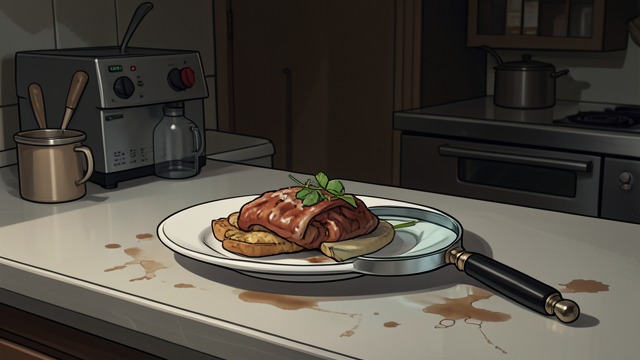
Studies of meals sampled by the United States Public Health Service found DDT in every meal tested. The finding supported Carson’s warning that few foods could be assumed entirely free of residues.
A Daily Route
Residues on food added to other exposures from household and occupational uses. The dinner table became one route through which persistent chemicals entered people’s bodies repeatedly.
Residues Resist Preparation

Washing Is Not Enough
Fat-Soluble Compounds
Carson explains that chlorinated hydrocarbons tend to concentrate in animal fats and are less easily removed from produce by washing. Cooking does not destroy the residues described in the book.
Consumer Limits
A person trying to reduce exposure has few reliable choices when contamination originates in agricultural production or soil. Individual care cannot substitute for effective controls across the food system.
Tolerances Create Reassurance

A Number Is Not a Guarantee
Laboratory Foundations
Regulators established tolerances using animal tests and maximum residue levels. Carson questions whether results from controlled exposure to one chemical can assure safety for people encountering many substances through many routes.
Combined Dose Unknown
Several permitted residues may appear in one meal, while other exposures remain unmeasured. The calculation of safety for a single chemical can obscure the cumulative burden.
Inspection Falls Short
Limited Oversight
Narrow Jurisdiction
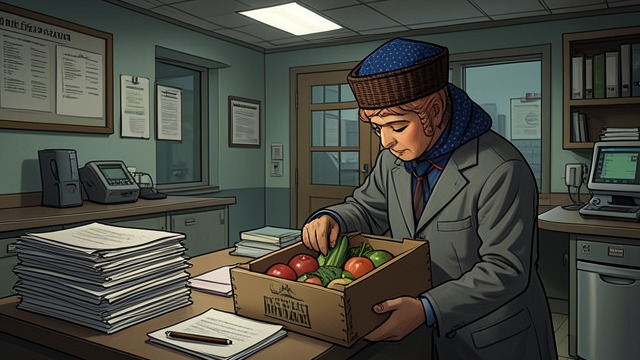
The Food and Drug Administration could inspect interstate food shipments but lacked comparable authority over food produced and sold within a state. Its inspectors could examine only a small fraction of the interstate crop supply.
Paper Security
Carson argues that legal limits can create confidence without enough enforcement to establish compliance. A tolerance system becomes especially weak when most food passes without inspection.
A Call for Safer Methods
Prevention Before Policing
The Cost of Permission
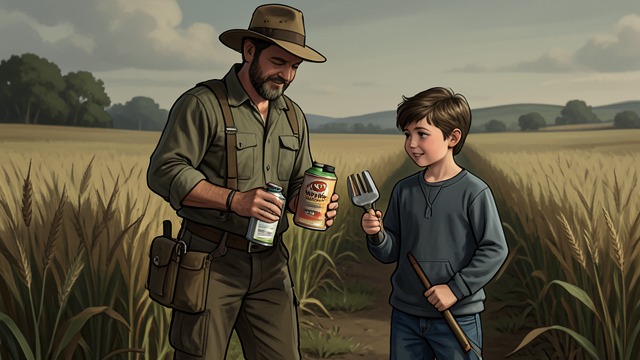
Carson challenges the practice of allowing contamination and then taxing the public to police its consequences. Stronger inspection may help, but it does not resolve the underlying dependence on dangerous chemicals.
A Different Direction
Less toxic materials and nonchemical methods could reduce the hazard at its source. The food-safety argument thus joins a larger demand to change agricultural practice rather than rely on incomplete protection afterward.
By the mid-1950s
When consumers prepare food at home
During the establishment of pesticide residue rules
By the early 1960s
At the close of Chapter 11
